| We’ve released the first in a series of bioinspired innovation case studies exploring Terrapin’s work helping companies overcome technology challenges. Read about how HARBEC used bioinspired innovation to design more efficient plastic injection molds. — Read More
| Applying the Mystery pattern to spaces can create a user experience ripe with intrigue and creativity that enhances other biophilic interventions. — Read More
| As cities plan for the future, the best way to maintain the ecosystems’ services they rely on, including a freshwater supply, is to conserve water. — Read More
| Our partners, Bill Browning, Bob Fox, and Chris Garvin, each reflect on Terrapin’s last ten years and where they see the firm going in the next decade. — Read More
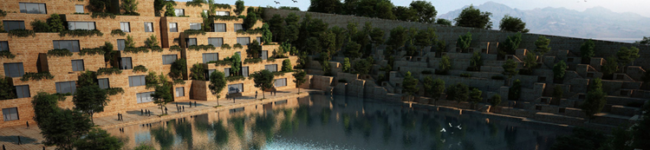
| A closer look at the biophilic design pattern Presence of Water in overcoming common design challenges of water features in the built environment. — Read More
| Biophilic odors create a unique opportunity to improve health and wellbeing in the built environment using a Non-Visual Connection with Nature. — Read More
| Terrapin has published two new case studies in biophilic design highlighting the Kickstarter Headquarters in Brooklyn and the Coeur d’Alene Resort in Idaho. — Read More
| Our Ecological Design Framework (referred to simply as “Phoebe”) focuses on the most impactful project opportunities that will result in positive change on-site and far beyond the project property line. Reframing traditional green building metrics and transforming them into bold built ecological goals provides a structured but open forum for teams to achieve meaningful ecological change. — Read More
| Understanding how cities are intricately interdependent on ecosystems allows us to make strategic design decisions for regenerative and healthful cities. — Read More
| A closer look at the biophilic design pattern Complexity & Order for establishing meaningful translations of nature’s complexities in the built environment. — Read More
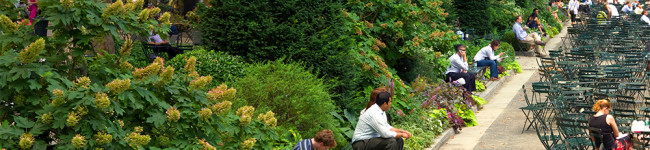
| Biophilic urban acupuncture aims to reconnect people to nature by using targeted biophilic interventions in urban environments for better health outcomes. — Read More
| To combat the adverse health effects of climate change, we must align modern systems with resilient natural processes for healthier communities and people. — Read More
| With the inevitable climate change, we must fundamentally rethink how we design and retrofit buildings to adapt to this new, rapidly shifting baseline. — Read More