
 Features
 Project Profiles
Biophilia at Terrapin

Catie Ryan
Learn more about our biophilic design work and services by emailing us at [email protected] and reading our reports, 14 Patterns of Biophilic Design and The Economics of Biophilia. Follow the conversation on twitter: @TerrapinBG | #14Patterns.
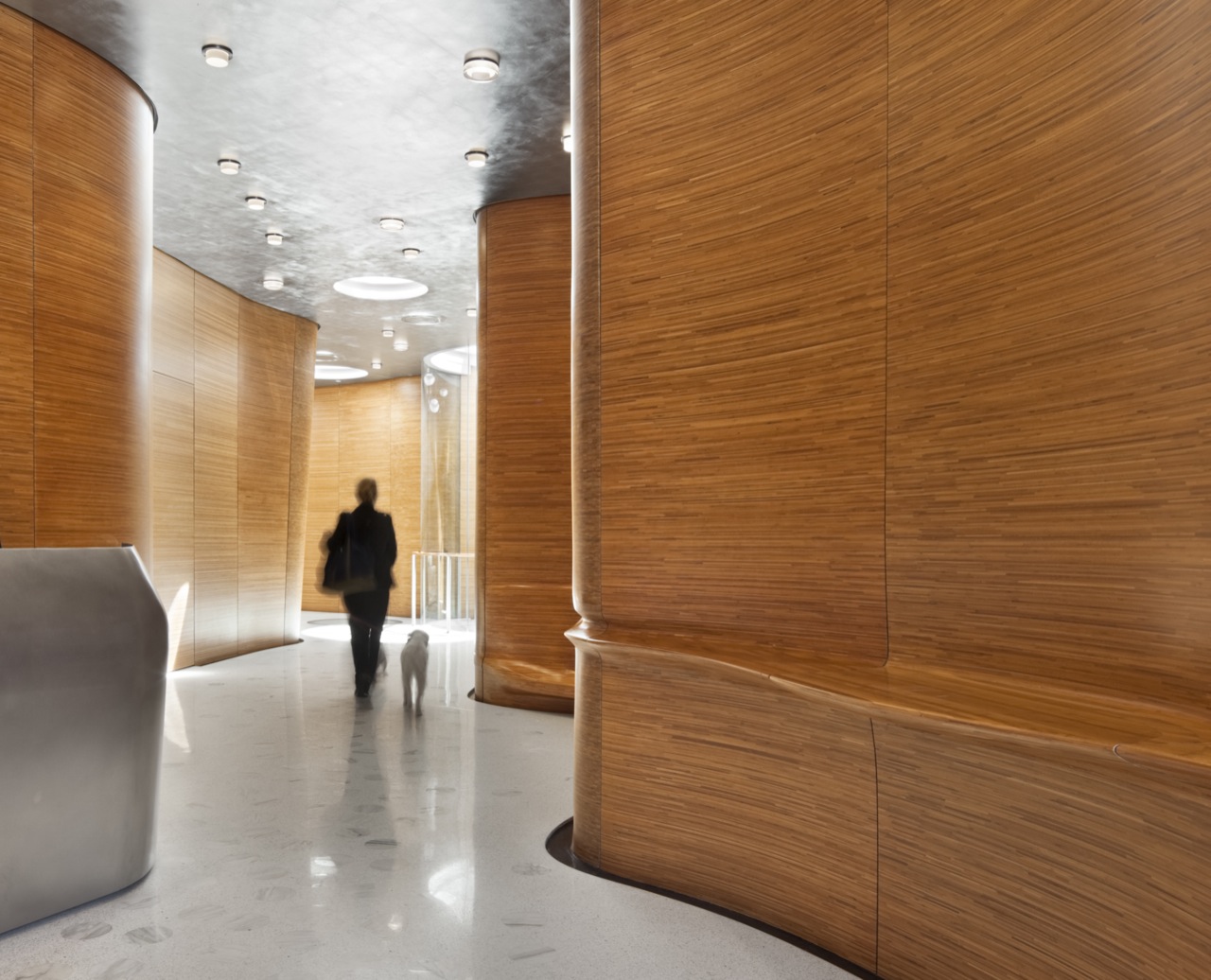
One Jackson Square, NYC. Copyright Michael Moran Studio.
Biophilia, a concept first described by biologist E.O. Wilson, is humanity’s innate response to nature and connection to natural systems. Biophilic design is about recognizing humanity’s place in nature and using the built environment to maintain, restore, and enhance our physiological and psychological connections to the natural world. We care about biophilia in building design for two primary reasons. First, biophilic elements have demonstrably real, measurable benefits for human performance metrics such as productivity, emotional well-being, stress reduction, learning, and healing. Second, biophilic features foster an appreciation of nature, which can lead to greater protection of natural areas, species conservation, and pollution prevention.
Terrapin was asked to update a research database for Delos Living, a real estate developer focusing on community design that supports human health and well being. This database expands on work on biophilia begun at Rocky Mountain Institute in 1995. While literature on biophilia spans a number of disciplines, scientific peer-reviewed documentation triangulating its relationship to health and well being in the built environment is increasingly prevalent. Terrapin identified key scientific studies that connect common facets of biophilia (nature in the space, natural analogs, and nature of the space) with important health domains, including stress response, productivity, obesity, and cancer. At the core of the research is an interest in human psychological and physiological response to different environments. The results of our research were categorized to identify relationships between health domains and the built environment that will be used to inform the design goals.
Terrapin has since been engaged with several clients, including the American Society of Interior Designers, Clif Bar, Google and Interface, to strategize and enhance the biophilic experience of their projects.
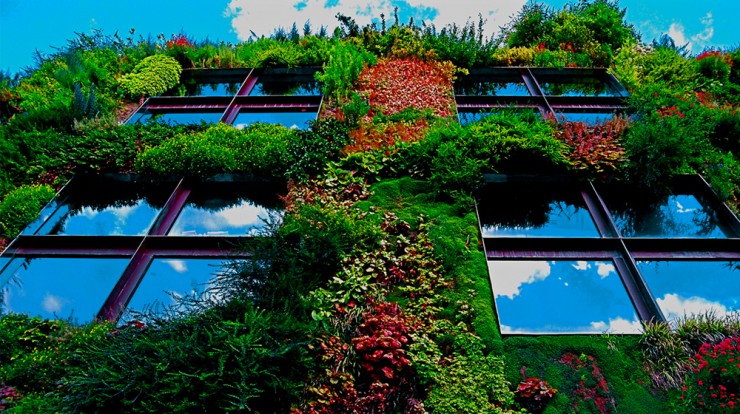
*Header/feature image © Vincent Brassinne/Flickr.
Catie Ryan
Catie is the Director of Projects at Terrapin and a leader in biophilic design movement. With a background in urban green infrastructure, Catie's interest lies in systems thinking to address human health and sustainability challenges at each scale of the built environment.

Topics
- Portuguese
- Transit
- Mass Timber
- Workshop
- Education
- Psychoacoustics
- Conference
- Environmental Values
- Occupant Comfort
- Publications
- Carbon Strategy
- French
- Hebrew
- Spanish
- Catie Ryan
- Biophilic Design Interactive
- Technology
- Greenbuild
- Community Development
- Frank Lloyd Wright
- collaboration
- fractal fluency
- fractals
- Biomorphic Forms
- Refuge
- Prospect
- Antoni Gaudi
- Awe
- Phoebe
- case studies
- wood
- Sustainability
- economics of biophilia
- biophilia
- inspirational hero
- interior design
- connection with natural materials
- Ecosystem Science
- Biodiversity
- Systems Integration
- Building Performance
- Indoor Environmental Quality
- Health & Wellbeing
- Climate Resiliency
- Profitability
- Green Guidelines
- Residential
- Institutional
- Corporations and Institutions
- Water Management
- Energy Utilization
- Resorts & Hospitality
- Net Zero
- Commercial
- Biophilic Design
- Industrial Ecology
- Terrapin Team
- LEED
- Speaking
- Materials Science
- Carbon Neutrality
- Health Care
- Sustainability Plans
- Resource Management
- Bioinspired Innovation
- Manufacturing
- Original Research
- Product Development
- Urban Design
- Governments and NGOs
- Developers and Building Owners
- Architects and Designers
- Master Planning