
 Features

Do You Know the Difference Between Biophilia and Biomimicry?

Allison Bernett
Clif Bar Bakery
 Clif Bar & Company
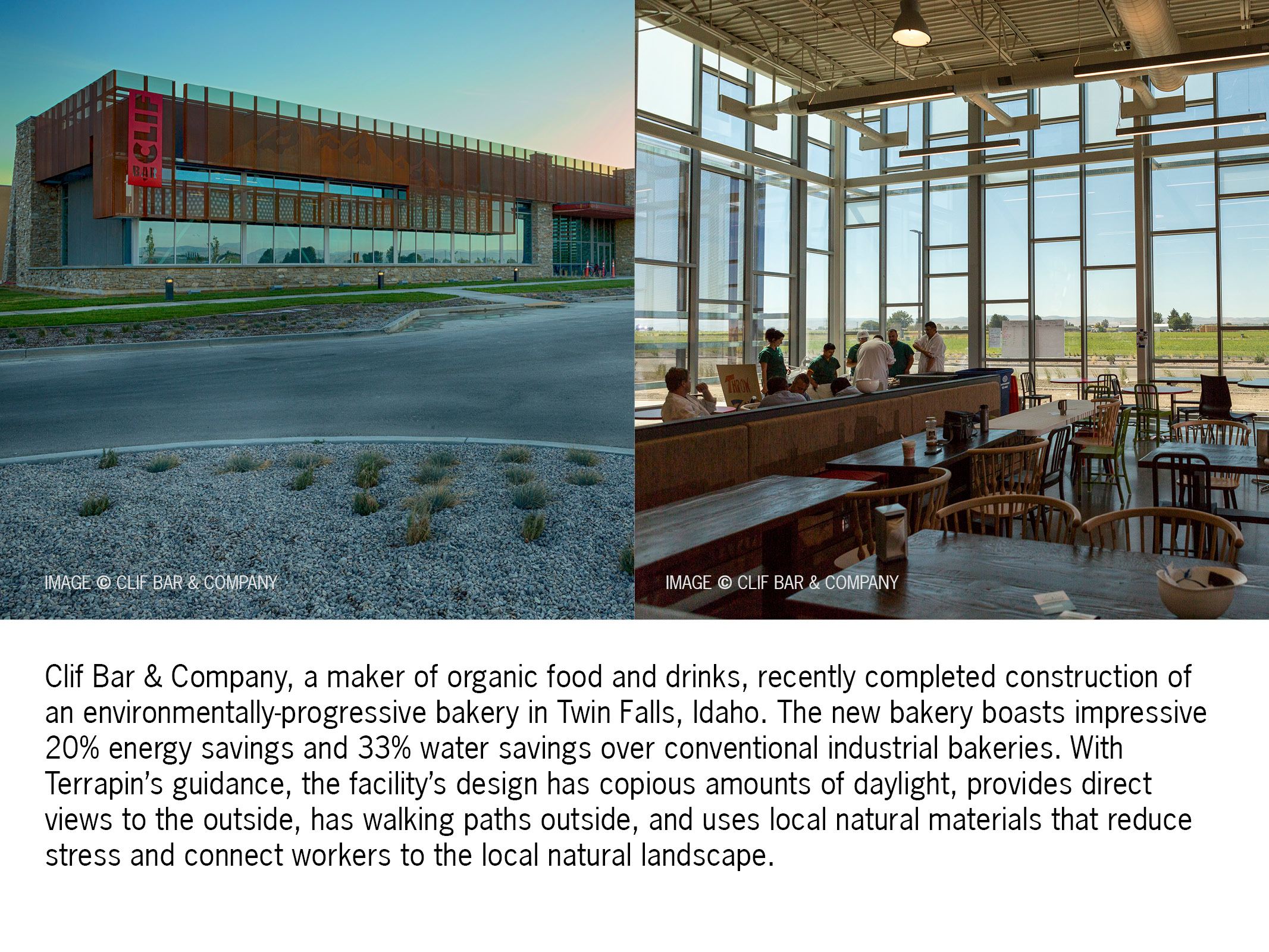
The Clif Bar Bakery is an excellent example of several biophilic design patterns that connect occupants to the natural environment, such as Dynamic and Diffuse Light through daylighting, Visual Connection to Nature through views to the outdoors, and Material Connection with Nature through the use of local natural materials. It is not biomimetic because it doesn’t emulate any natural form, function, or process to solve a challenge.
HARBEC Plastic Injection Molds
 HARBEC
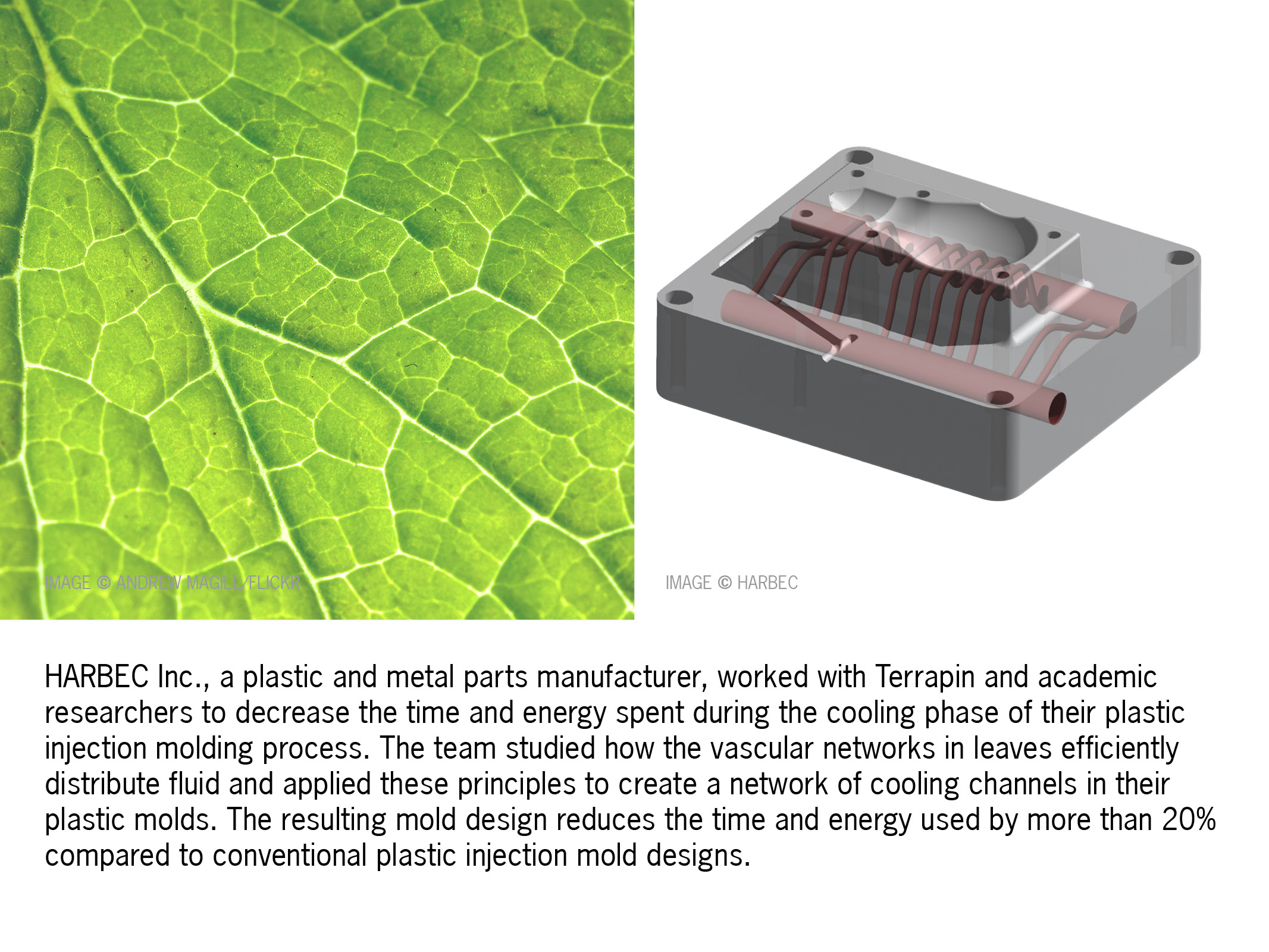
HARBEC’s plastic injection mold design was informed by the leaf vein arrangement and function, a clear emulation of a natural process to solve an engineering challenge. It is not biophilic because it does not connect humans to nature.
Interface Urban Retreat Carpet
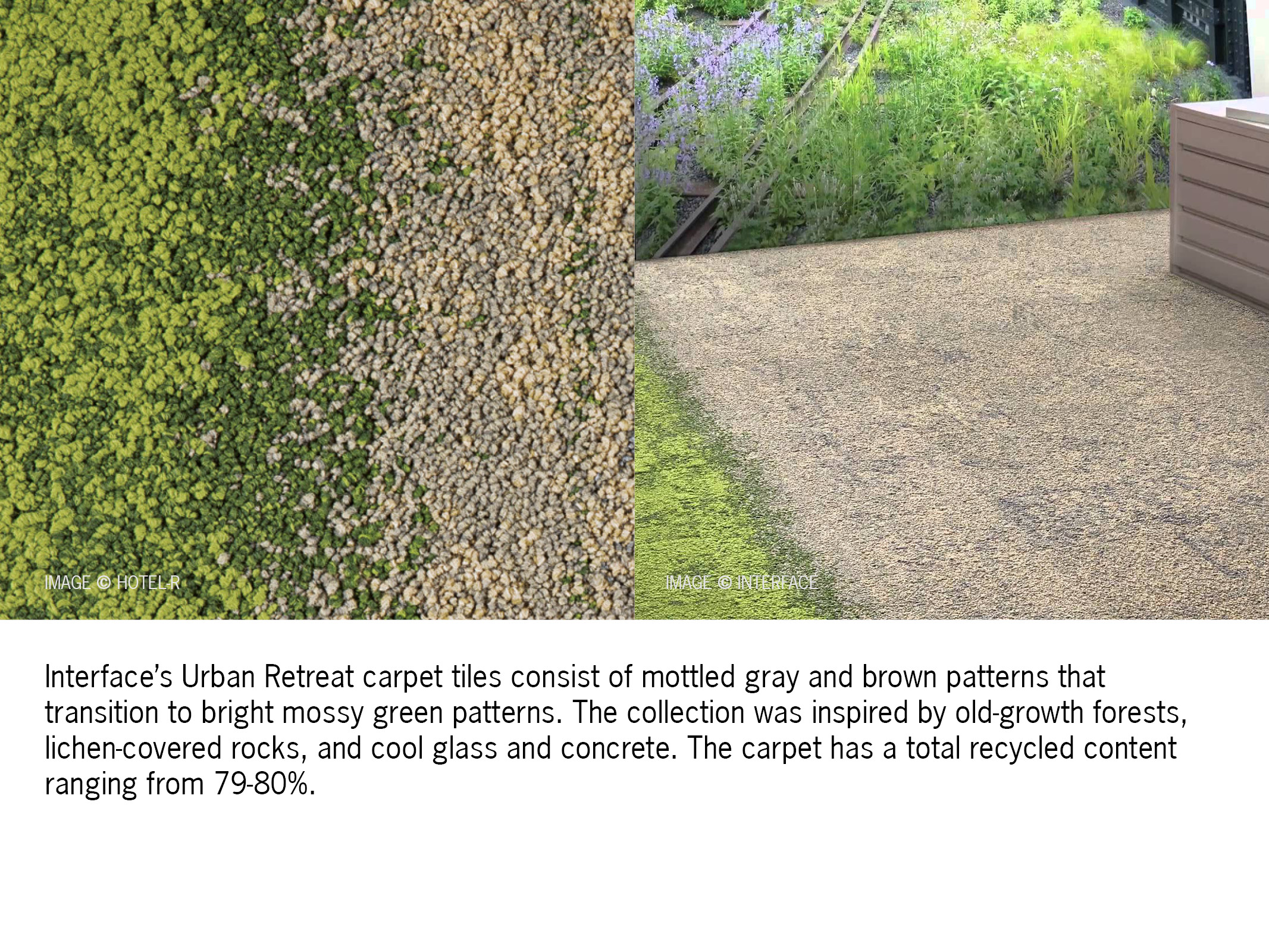
This carpet uses patterns, forms, and colors similar to those seen in a forest, which is in line with the biophilic design patterns of Biomorphic Forms & Patterns and Material Connection with Nature. Although it was inspired by natural examples, these carpet is not biomimetic because its design does not emulate the function of a natural example for improved performance. However, if you are familiar with the backstory of Interface's carpet tiles, this is not a clear-cut example. The randomized patterns and mergeable dyelots in their carpet tiles were inspired by the aesthetically coherent but non-repeating patterns found in the forest floor, making each carpet tile pattern unique and allowing the carpet tiles to be installed in any orientation. This drastically reduces the installation time and manufacturing waste (since carpet tiles are not being discarded for having errors in the patterning). Interface came to this innovative idea through a biomimetic process -- by studying nature's patterns and applying lessons learned.
Nissan Leaf
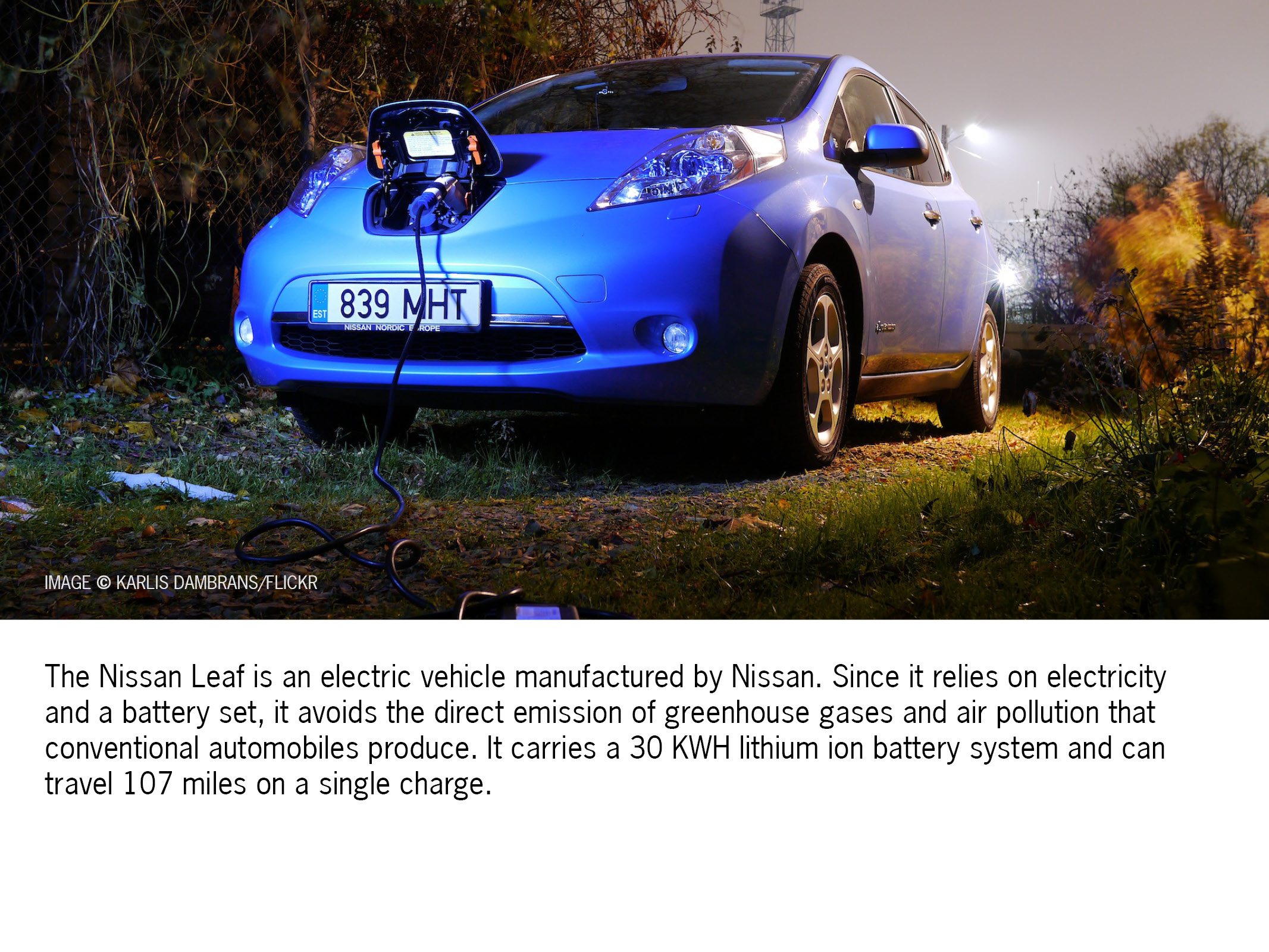
Hopefully, this one was easier. The Nissan Leaf represents a great technology that, as electric grids transition to renewables, provides a sustainable alternative to conventional gasoline-powered vehicles. However, it does not emulate a natural form, pattern, or process to overcome a technological challenge nor does it connect occupants to nature in any large way, so it is not an example of biomimicry or biophilia.
World Trade Center Transportation Hub
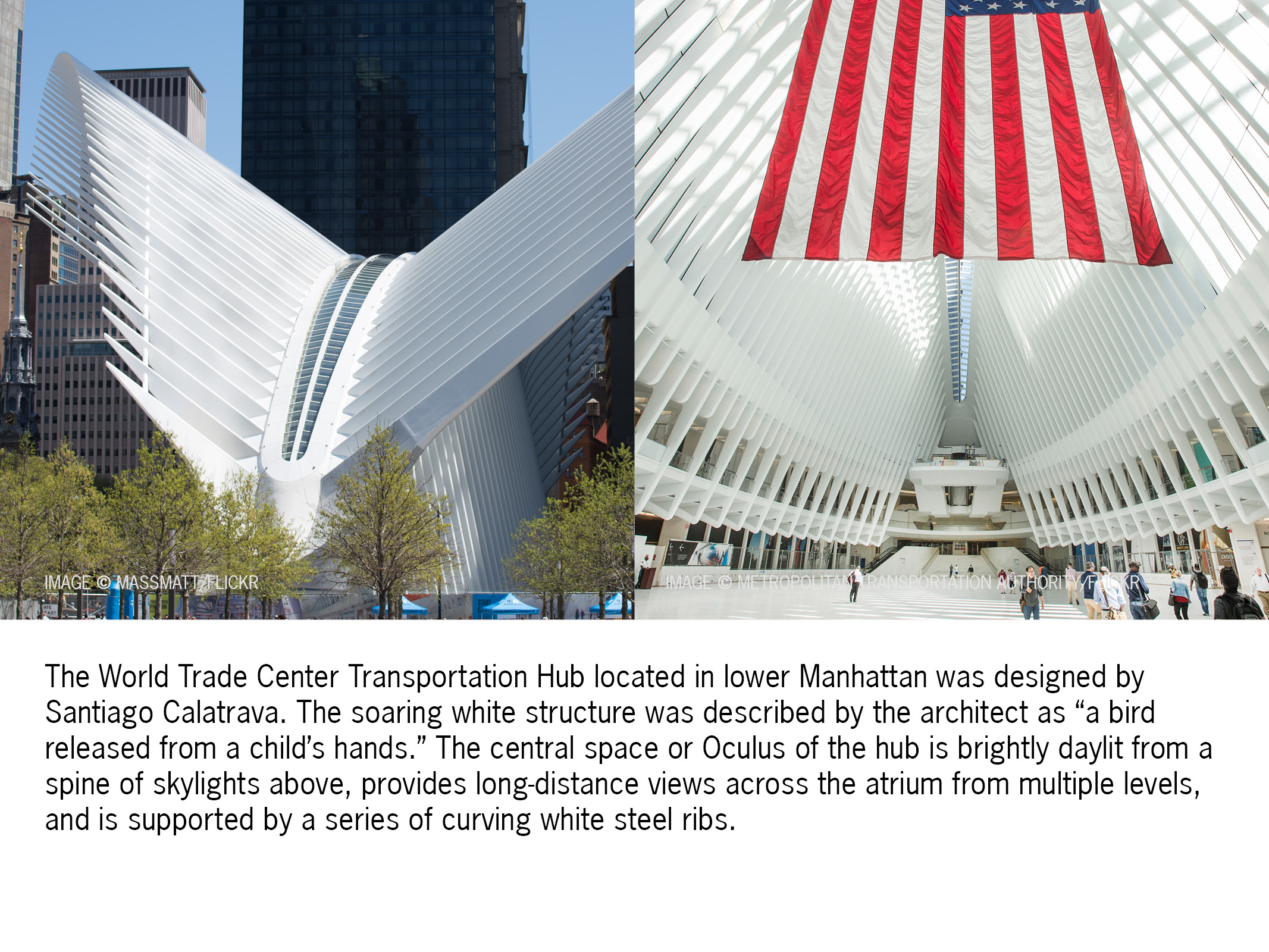
This one is a little tricky. The striking form of the building was intentionally biomorphic, recalling skeletal structures and bird wings. This combined with biophilic patterns like Dynamic & Diffuse Light, Complexity & Order, and Prospect abstractly connects occupants to nature, making it a clear example of biophilia. However, its biomorphic form, though inspired by natural forms, does not overcome a technological challenge resulting in higher performance -- in essence, it’s not a functional biomorphic structure and therefore not biomimetic.
Eden Project
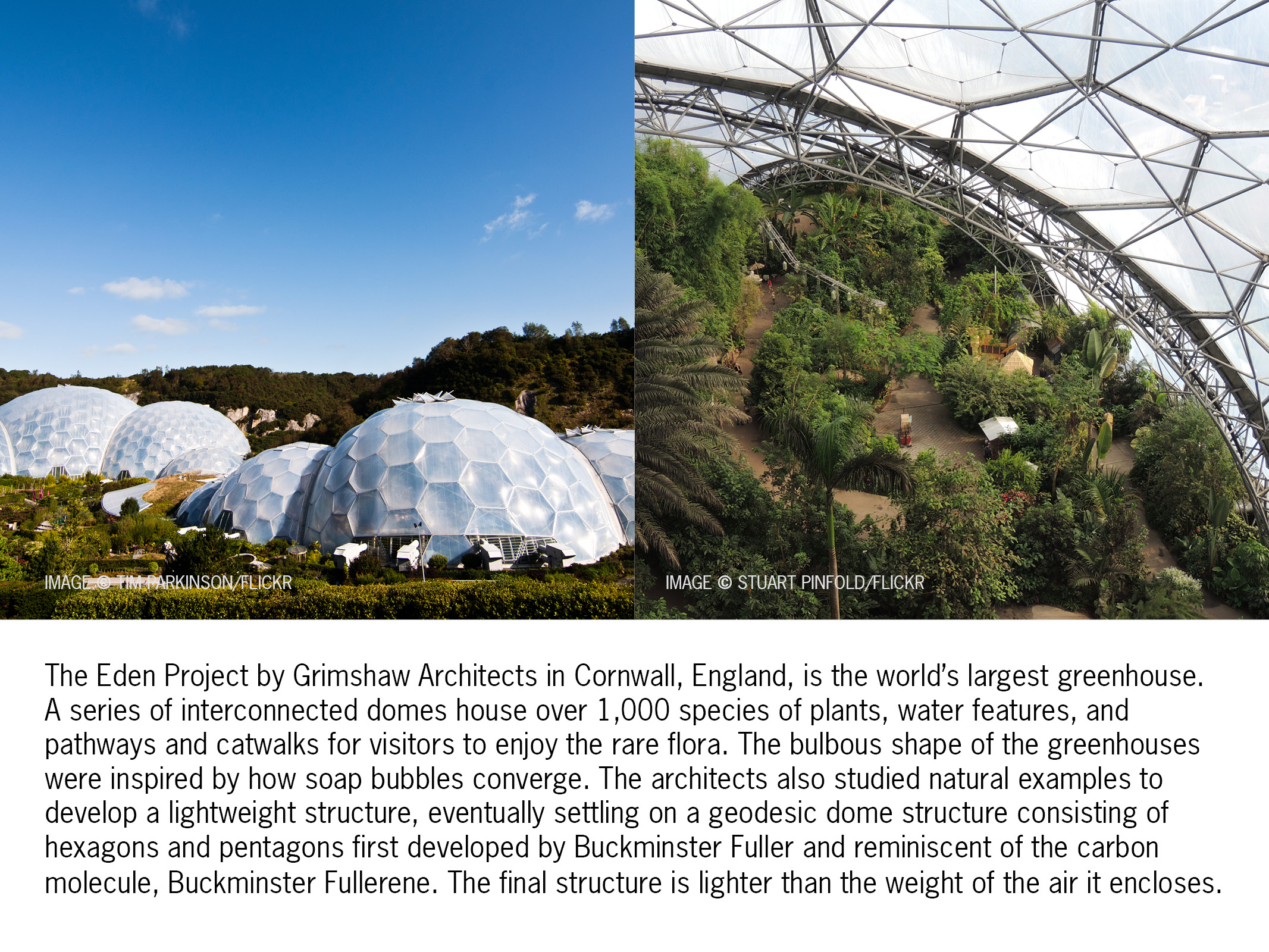
This is another tricky example. The Eden Project is most certainly biophilic, offering visitors a rare chance to experience a rainforest biome and providing Prospect views and Risk/Peril with the catwalks. It is also a good example of biomimicry because the architects emulated examples from nature to develop a remarkably lightweight structure that outperforms conventional methods and meets the challenging needs of this unique project.
Allison Bernett
Allison Bernett is an associate project manager and the public relations coordinator for Terrapin Bright Green. She graduated summa cum laude from Washington University in St. Louis with a double major in architecture and biology. Allison’s interests focus on architecture, sustainability, and bioinspired innovation.
Topics
- Conference
- inspirational hero
- interior design
- connection with natural materials
- Carbon Strategy
- Transit
- Mass Timber
- Workshop
- Education
- Psychoacoustics
- biophilia
- Environmental Values
- Occupant Comfort
- Publications
- Portuguese
- French
- Hebrew
- Spanish
- Catie Ryan
- Biophilic Design Interactive
- Biomorphic Forms
- PDX
- 14 Patterns
- Dynamic Light
- Mind-Body-Space
- Epigenetics
- Neuroarchitecture
- collaboration
- fractal fluency
- fractals
- Technology
- Refuge
- Prospect
- Antoni Gaudi
- Awe
- Frank Lloyd Wright
- case studies
- wood
- Sustainability
- economics of biophilia
- Green Guidelines
- Master Planning
- Residential
- Biodiversity
- Systems Integration
- Building Performance
- Indoor Environmental Quality
- Health & Wellbeing
- Climate Resiliency
- Profitability
- Architects and Designers
- Ecosystem Science
- Institutional
- Corporations and Institutions
- Water Management
- Energy Utilization
- Resorts & Hospitality
- Net Zero
- Commercial
- Biophilic Design
- Sustainability Plans
- Greenbuild
- Community Development
- Phoebe
- Terrapin Team
- LEED
- Speaking
- Materials Science
- Carbon Neutrality
- Health Care
- Bioinspired Innovation
- Resource Management
- Industrial Ecology
- Manufacturing
- Original Research
- Product Development
- Urban Design
- Governments and NGOs
- Developers and Building Owners